

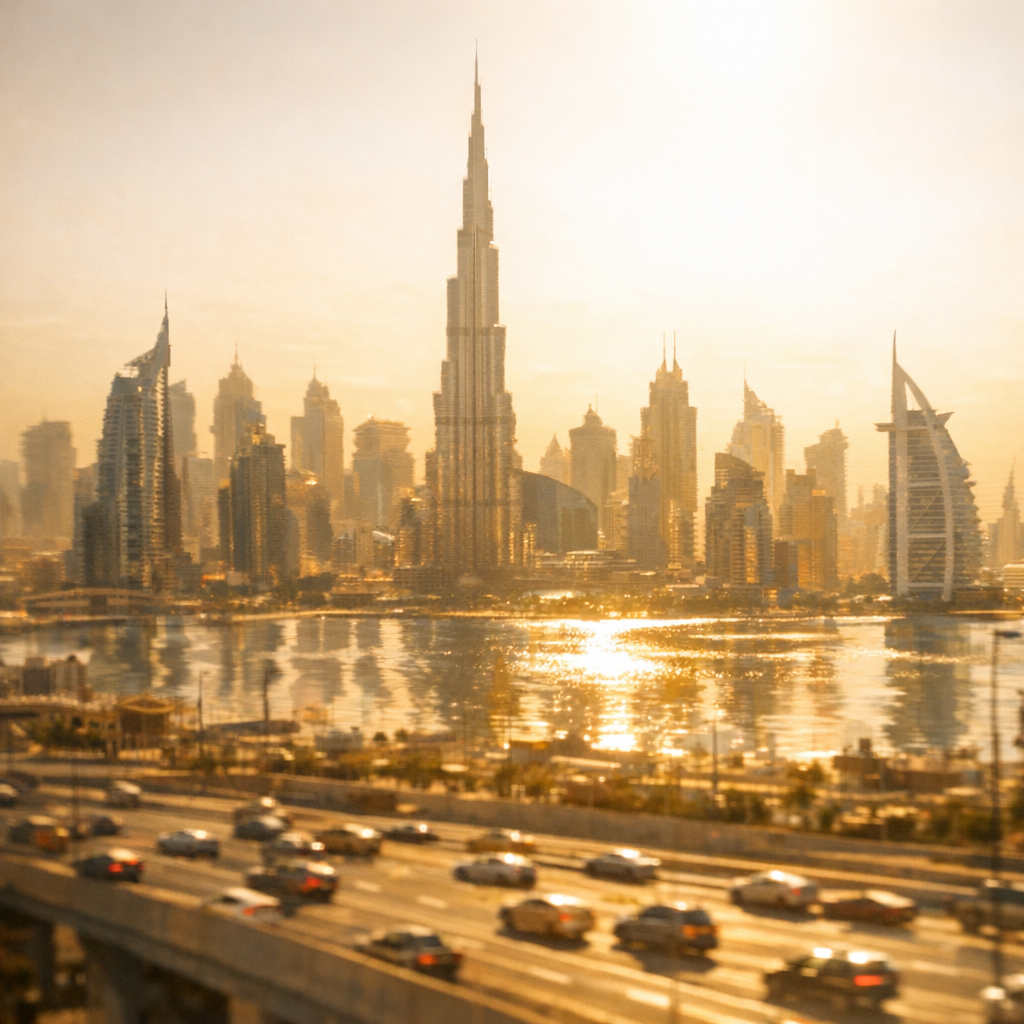
Dubai, like much of the UAE, sits in a desert climate. However, over recent years, subtle but real changes in weather and the natural environment are becoming more and more obvious. Here’s what you need to know to stay comfortable and safe—and to contribute to a healthier city.
Changing Weather Patterns
Summers in Dubai remain long, hot and humid. Daytime highs often surpass 40 °C, especially near the coast where humidity adds to the heat’s intensity. Winter is shorter, with milder days and cooler nights. February typically sees our highest rainfall, while summer months can go nearly rainless. Average annual rain remains low—around 70–80 mm—but intense downpours have become more frequent.
Urban Heat Islands and Local Impacts
Dubai’s rapid development has changed the natural landscape: concrete, asphalt and glass absorb and hold heat, resulting in higher temperatures in built-up areas compared to the outskirts. Research shows this “urban heat island” effect is especially strong at night—in some areas 5 °C hotter than less developed zones.
Rising Air Temperature & Climate Risks
On average, temperatures in Dubai have risen compared to mid-20th century levels. Projections show increases in summer highs, greater humidity, and more frequent and intense heatwaves. Coastal zones are at risk of higher sea levels and warming sea surfaces—threats to infrastructure, marine life, and public health alike.
Air Quality, Rainfall & Storm Events
Air quality in Dubai is closely monitored through programs like the National Air Quality Agenda 2031. Pollutants include particulate matter (dust, sand), vehicle emissions, and ozone. On days with high pollution, sensitive groups—children, elders, those with respiratory issues—are most affected.
Meanwhile, rainfall events consider more than just how much—but how fast it comes. Storms that drop heavy rain in a short time bring flooding risks. Infrastructure improvements have been underway to help with drainage, but extreme weather events highlight ongoing vulnerabilities.
What You Can Do
- Plan daily routines: Avoid outdoor activity during peak heat (typically afternoons in summer). Use early morning or evening for exercise, errands.
- Stay hydrated & use climate smart clothing: Lightweight fabrics, sun protection, and staying indoors when necessary help reduce heat stress.
- Support green space & shade: Trees and parks help reduce temperature in neighborhoods. Shade from buildings, overhangs, façades can also make a big difference.
- Monitor air quality alerts: Check trusted local platforms for AQI levels and avoid heavy outdoor exposure when levels are poor.
- Advocate for resilient infrastructure: Better stormwater systems and heat-resilient materials make future extreme weather less disruptive.
Dubai’s landscape—from the sky to the streets—is changing, but understanding climate trends helps us adapt. Small choices, new building approaches, and policy can make our city stronger, cooler, and healthier for everyone.