

By Huda Al-Awadhi
Dubai’s real estate landscape is continuously evolving. Whether you’re renting, buying, or investing, understanding the key trends—about demand, pricing, rentals, and new developments—can help you navigate confidently.
Sales Activity & Buyer Preferences
Residential property sales in Dubai remain robust. In the first half of the year, over 80,000 homes were sold, with a total value exceeding AED 226 billion. Off-plan properties continue to dominate sales; they made up more than 70% of residential transactions during this period. Buyers are becoming more discerning, prioritising location, developer reputation, property quality, and long-term value. Luxury homes—particularly ultra-prime villas and waterfront residences—are performing especially well.
Rental Market: A Shift Toward Balance
The rental sector is entering a more balanced phase. After years of rapid growth, price increases are moderating. Apartment rents are rising more quickly than villa rents, but overall annual growth remains positive. Vacancies are ticking up modestly in certain communities, especially outside high demand or well-connected areas. Many tenants are favouring longer leases in quieter, mid-market locales over short-term lets near tourism hubs.
Supply, Infrastructure & Incoming Projects
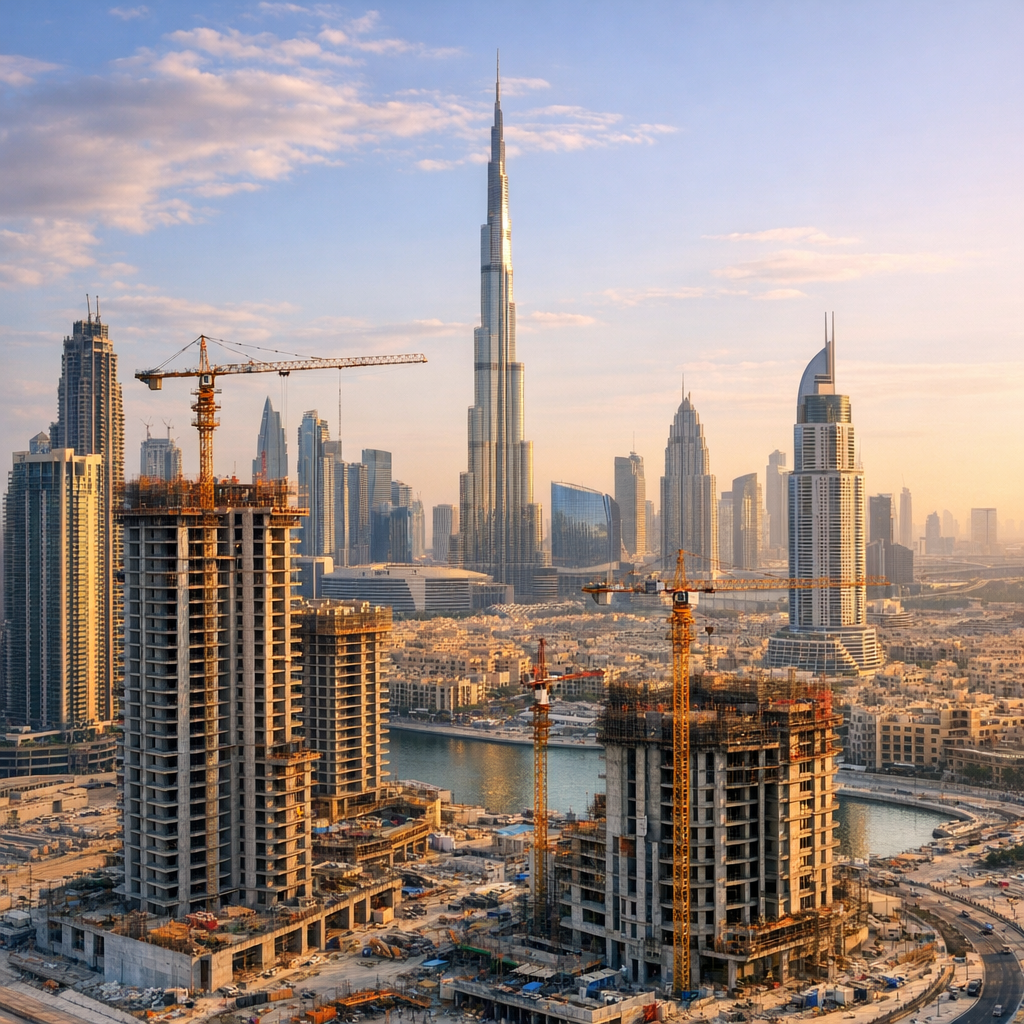
More than 380 off-plan projects have been registered with Dubai’s Land Department since the start of the year, adding over 100,000 new residential units into the pipeline. Much of the future supply is centred around master-planned communities and locations with strong infrastructure links. Districts near new transport lines, such as metro routes and future rail corridors, plus emerging areas like Al Barsha, JVC, and parts of Dubai South are drawing attention. High-density apartments remain the most common type of supply being delivered, though villas and townhouses retain strong appeal among families.
Price & Yield Trends
Price growth for both sales and rentals remain positive, although variations across areas and property types are more pronounced. Some communities, particularly established ones with strong amenities, are seeing higher premium growth. Gross rental yields are generally around 5-7%, but some areas deliver significantly more. Buyers of villas are more sensitive to pricing, while apartment investors often look more at yield and maintenance cost.
What to Consider When Deciding What’s Right for You
- Community Amenities & Transport: Areas well-served by schools, retail, public transport, and healthcare offer better stability and value retention.
- Developer Track Record: Delivery timelines, quality, and reputation matter more now than shiny branding alone.
- Lease Duration & Flexibility: Longer leases can provide cost savings and stability in rental markets with seasonal fluctuations.
- Property Type & Size: Apartments generally cost less upfront and offer better yields; villas/townhouses work better for larger households seeking space and privacy.
- Future Supply Risks: New projects bring options but also competitive pressures—particularly on pricing and resale value.
Looking Ahead
As new supply becomes available and infrastructure investments mature, both buyers and renters should see more choice. While villa prices may be somewhat restrained, well-located apartments in growing communities are likely to offer favourable returns. Regulatory clarity, long-term residency programs, and resident-friendly policies are helping push demand in owner-occupied housing. For renters, being strategic about lease terms and location will increasingly matter.
Dubai’s real estate market isn’t cooling down—it’s maturing. With the right research and alignment with your priorities, there are opportunities whether you’re leasing, buying your first home, upsizing, or investing.