

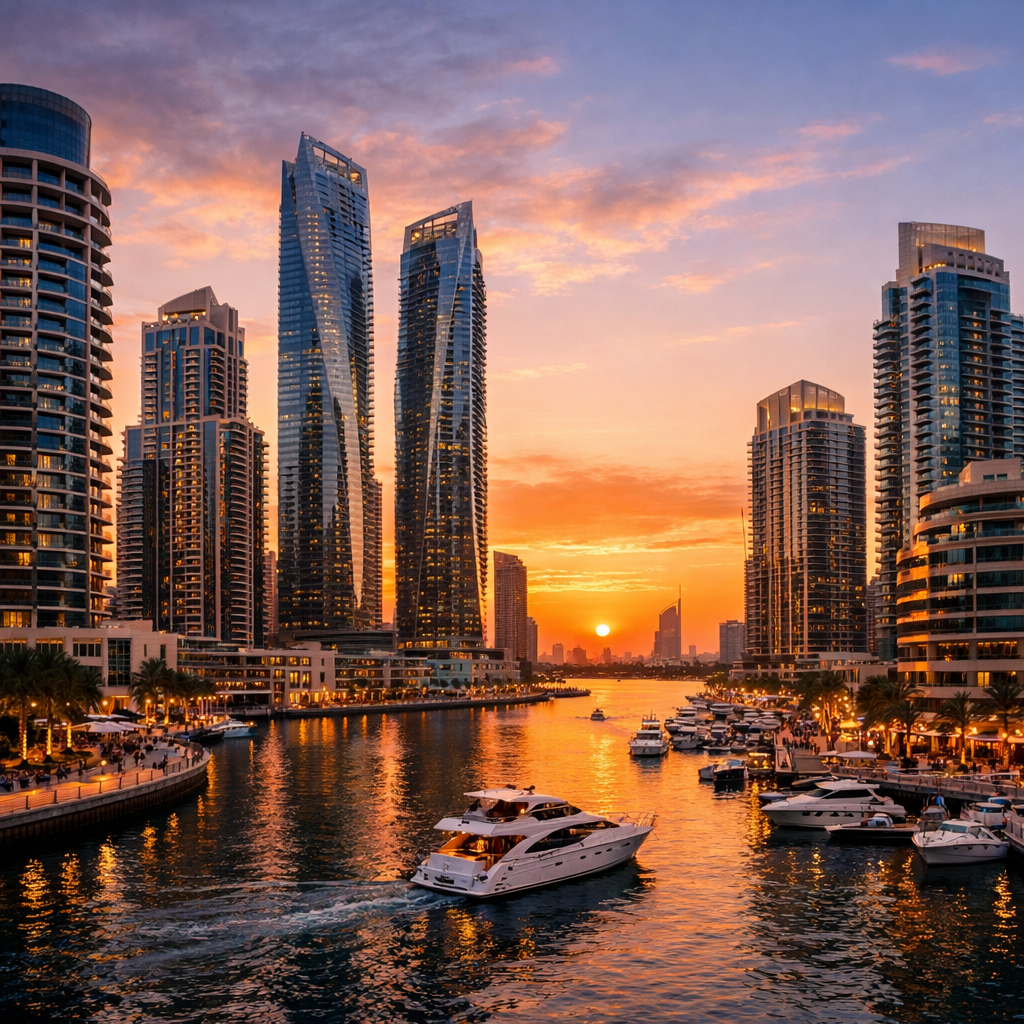
Dubai’s real estate market continues to evolve in ways that matter deeply to both renters and homebuyers. Whether you’re renewing a lease, eyeing off-plan projects, or hunting for a luxury villa, these ongoing trends and practical considerations will help you make wiser decisions.
Rental Market Today: Stability with Nuances
Recent data shows rental contracts in Dubai generating AED 32.2 billion in value during the first quarter, reflecting consistent activity. Both new leases and renewals remain at strong levels, backed by clear regulations and public trust in the system.
That said, not all segments move in sync. Premium villas—especially in waterfront areas like Palm Jumeirah and Nad Al Sheba—are holding value, or even seeing increases. Mid-tier and more affordable rentals are seeing softer growth and better negotiation opportunities as demand becomes more price-sensitive.
What Buyers Are Looking For Now
The “off-plan” sector (properties sold before or during construction) remains a driving force in sales. Over 70% of residential sales recently came from off-plan deals. The appeal includes newer amenities, modern layouts, and flexible payment plans—which are especially attractive to investors and home-upgraders.
At the same time, villa and townhouse buyers are leaning hard into space and lifestyle: gated communities, green space, leisure facilities, and schools are rising up the priority list. Prices for villas in established areas and luxury communities are outperforming many apartment-focused zones.
Key Costs and What to Check Before Committing
Beyond the purchase price comes a suite of additional costs: transfer fees, agency commissions, trustee or registration charges, and mortgage-related fees where applicable. These often add up to 5-7% or more of the property value.
Buyers should research developer reputation, warranty guarantees, past handover reliability, and project approvals. Location still matters—proximity to transport, schools, healthcare, and roads can heavily influence both quality of life and resale value.
High-Demand Areas & Oversupply Risks
Prime locations—such as downtown districts and waterfront communities—continue to attract both renters and buyers willing to pay a premium. Luxury homes in these areas have shown resilience.
In contrast, areas with a cluster of small-unit developments—studios and one-bed apartments—are facing greater oversupply risk. If you’re in the market for a smaller apartment, extra caution in areas where many similar units are under construction is wise: supply imbalances can lead to stale listings and slower price growth.
Looking Ahead: What’s Likely Next
Dubai’s long-term strategies—such as its comprehensive real estate sector roadmap through 2033—are putting a renewed emphasis on affordability, sustainability, transparency, and innovation. Future policies are likely to support more diverse housing options and tighter regulation on developer practices.
Technology and data transparency are also playing a bigger role—tools for tenants and buyers to compare rent-per-sq-ft, find low-commission agents, and verify ownership are helping shift market power slightly toward consumers.
Tips for Renters and Buyers
- For renters: pay attention not just to monthly rent but to community fees, maintenance charges, and your ability to negotiate, especially in mid-market areas.
- For buyers: plan the full cash flow, including all fees, utility connections, and likely future costs like servicing common areas.
- If investing, consider gross rental yield—units that cost less but rent well in growing communities may outperform flashy luxury properties over time.
- Always inspect completed projects or look closely at developer track record when considering off-plan properties to avoid delays or quality issues.
Dubai’s real estate market is not slowing down—but it’s growing more nuanced. Understand what you need, where you can compromise, and what trends may impact your investment or rental choice. A well-informed decision brings peace of mind and long-lasting value.