

By Khalid Al-Qasimi
Dubai’s Climate Basics
Dubai has a hot desert climate. Summer begins in late April and carries through early October, with soaring daytime temperatures often exceeding 45 °C along the coast. Nights remain warm, sometimes hovering in the high 20s. Winter is warmer than in many temperate zones, but full of relief: January and February days may reach the mid-20s or low-30s, while evenings settle closer to 15-20 °C. Rain is rare, but when it comes, it often falls in short, intense bursts typically during cooler months, sometimes causing unexpected flooding in low areas or undeveloped land.
What Makes Summer So Oppressive — and Why It’s Not Just the Heat
Humidity often rises surprisingly high in Dubai, especially by late evening. Much of this moisture comes off the Arabian Sea and Gulf waters. Yet rain may not follow because the warm, humid air lacks sufficient lift or cloud formation in many cases. Nights can feel heavy and sticky even when skies are clear, creating discomfort and making sleep harder for many residents.
On top of heat and humidity, dust plays a major role in how weather feels and how clean the air is. Dust storms are most frequent in the cooler months—especially between March and April—with winds from the southwest and northwest lifting desert sand and significantly reducing visibility. These storms can last several hours and add to health risks, particularly for those with respiratory issues.
How Dubai is Responding Environmentally
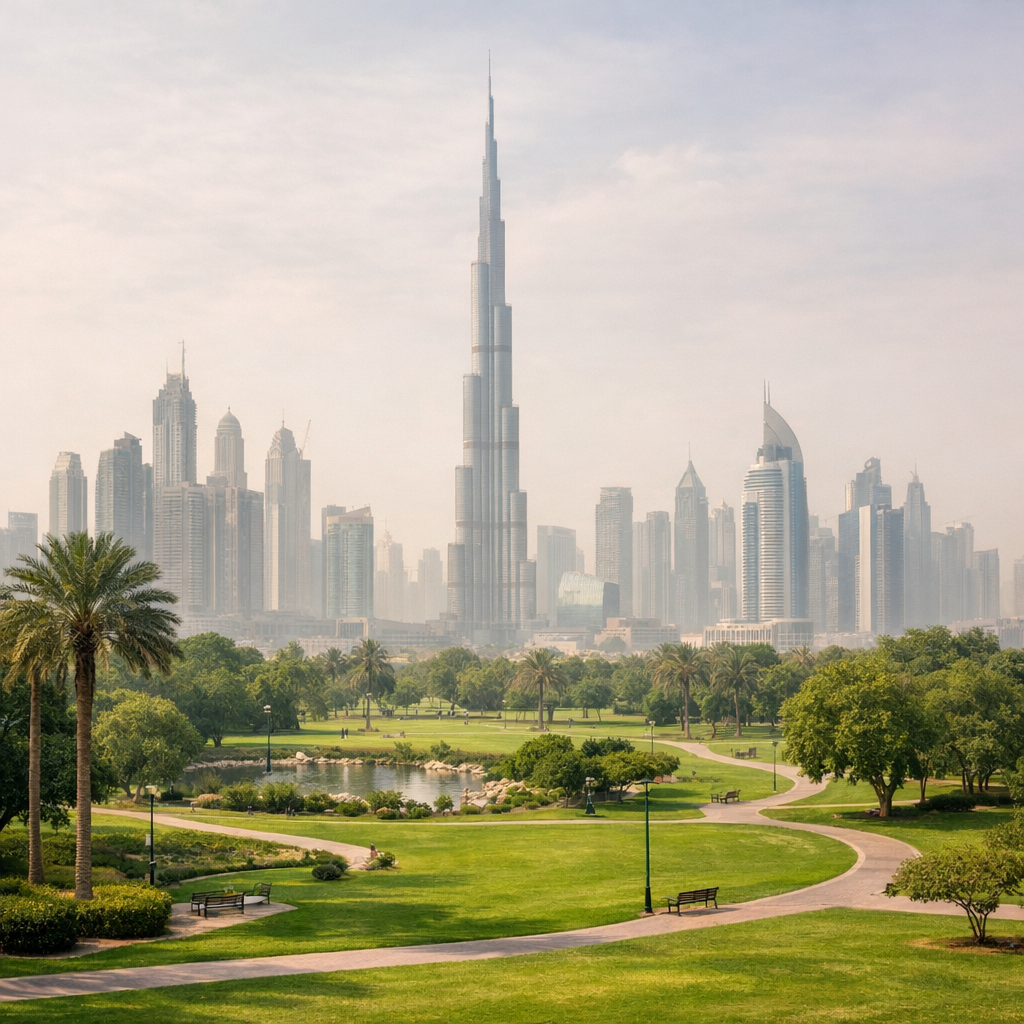
The city has launched several long-term initiatives to manage its environmental challenges. Dubai’s Blue and Green Spaces Roadmap 2030 plans to add new parks, beautification projects, trees, and recreational areas to improve residents’ access to nature and enhance urban life. The goal is to make green corridors, beaches, and waterfronts more integrated and accessible.
On the energy and waste fronts, Dubai is working under strategies like the Demand Side Management 2050 programme, which aims to improve energy efficiency substantially by 2030 and 2050. There’s also an ambitious plan for zero waste: Circle Dubai seeks full diversion of waste from landfills by 2041. Projects like waste-to-energy conversion, enhanced recycling, and awareness efforts among the community are central to this effort.
Tips for Living Well in Dubai’s Weather
Here are sound steps locals and visitors can take to manage life in extreme heat, humidity, and sometimes dusty air:
- Check local air quality and avoid outdoor activities when dust or pollutants are high or visibility drops sharply.
- Use cooling and dehumidification at night—central air-conditioning units, interior fans, and well-sealed windows help.
- Wear lightweight, breathable clothing, and stay hydrated, especially during hours of peak heat.
- Support or participate in community green initiatives—planting trees, caring for parks, avoiding single-use plastics all make a difference.
Dubai’s environment isn’t just background; it’s something we all share responsibility for. While weather extremes are a fact of life, planning, awareness, and green policy can make the difference in comfort, health, and long-term quality of life.