

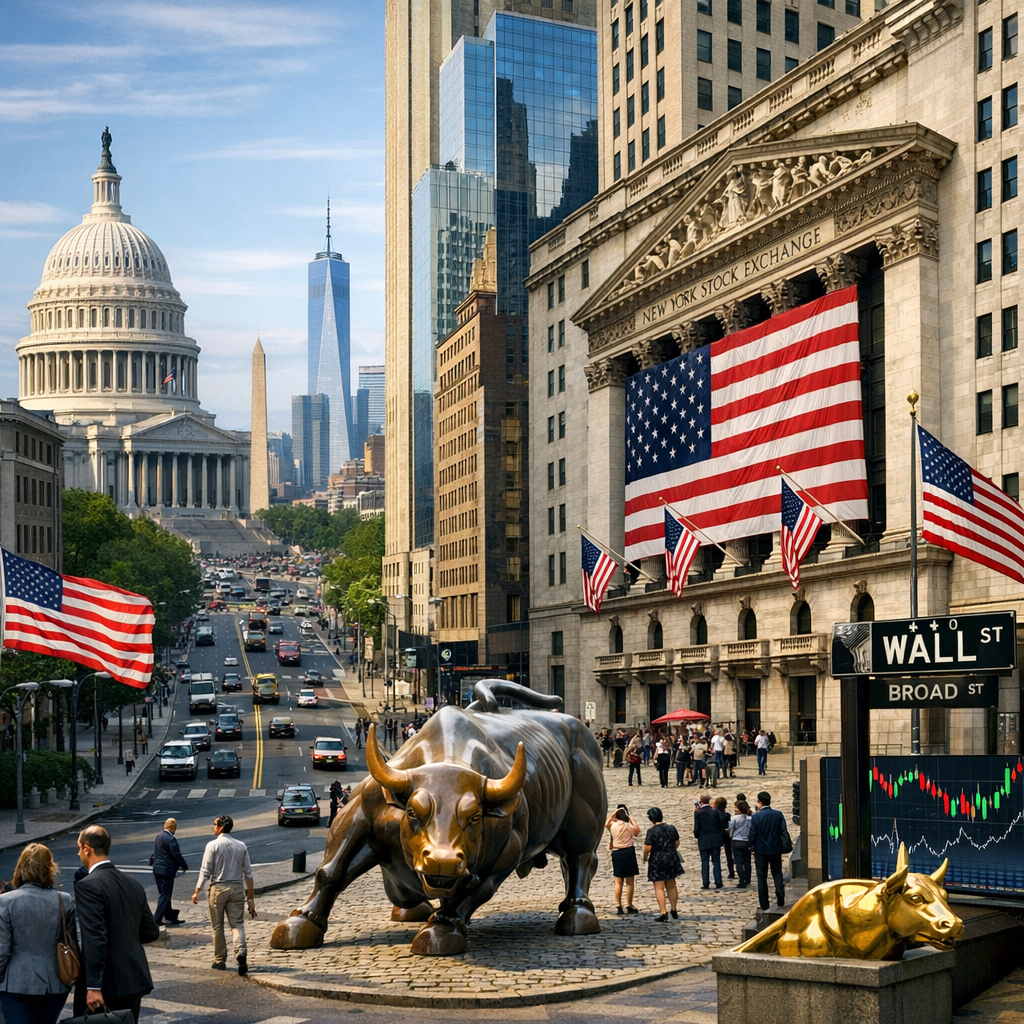
The United States is currently navigating a complex political and economic landscape, marked by significant developments that have both domestic and international implications.
Political Climate
Recent polling indicates a heightened level of anxiety among Americans regarding their political system. Approximately one-third of citizens identify politics and government as the nation’s most pressing issues. This concern is particularly pronounced among older demographics, while younger Americans are more focused on economic challenges such as housing affordability and basic needs.
Economic Overview
The U.S. economy is experiencing a mix of growth and challenges. The International Monetary Fund (IMF) projects a 2.4% growth in the gross domestic product (GDP) for the fourth quarter of 2026, up from 2.2% the previous year. Unemployment rates are expected to decline from 4.5% in late 2025 to 4.1% in 2026, with inflation anticipated to reach the Federal Reserve’s 2% target by 2027. However, the IMF warns that substantial federal budget deficits pose a growing stability risk.
Additionally, the U.S. economy has been impacted by external factors such as the Iran War, which has contributed to a 50% increase in gasoline prices since its onset. This surge has placed a significant burden on lower-income Americans, who are using less gas but are disproportionately affected by the price spike.
Implications
The interplay between political concerns and economic challenges underscores the need for comprehensive policy approaches to address the multifaceted issues facing the nation. As the U.S. continues to influence global markets and politics, understanding these dynamics is crucial for international observers and stakeholders.