

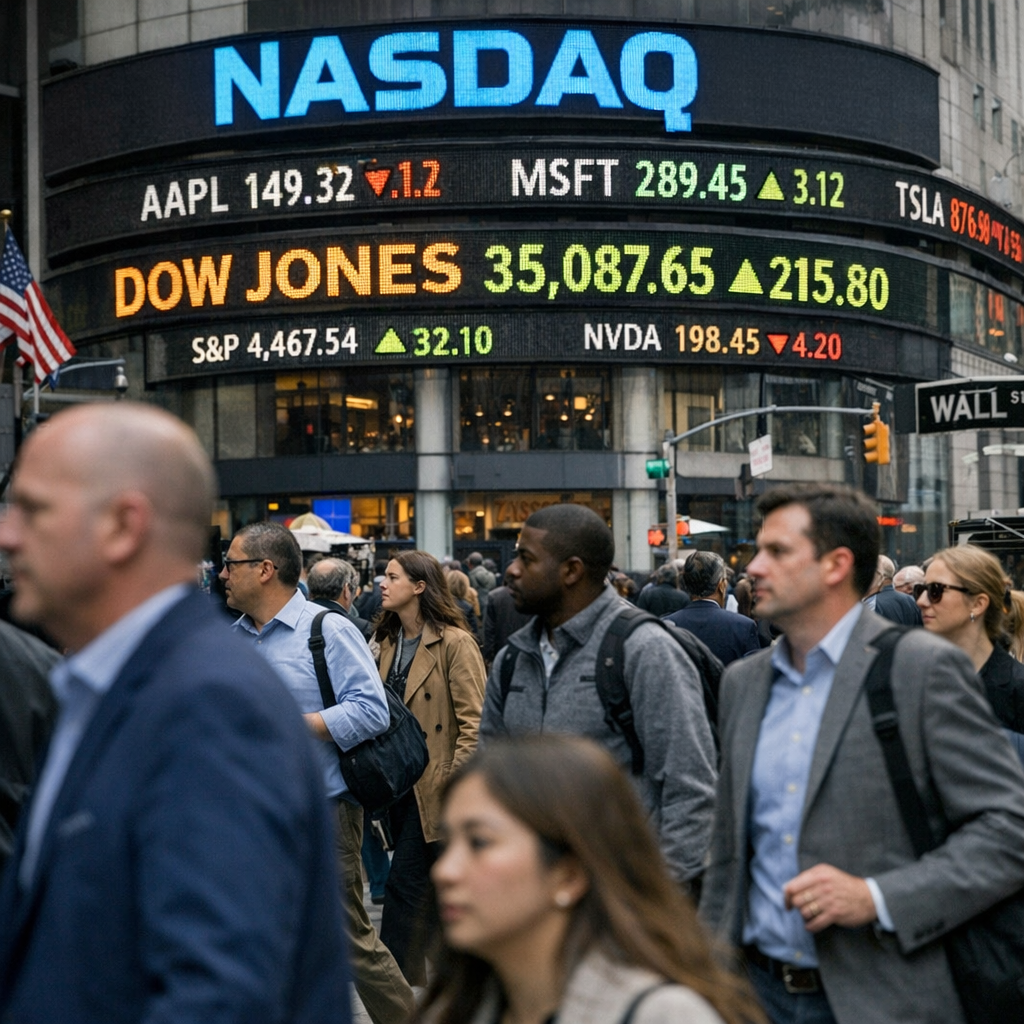
The United States economy has exhibited a mix of resilience and challenges in recent times. Key economic indicators provide insight into the nation’s financial health and the hurdles it faces.
Economic Growth and Employment
In the fourth quarter of 2025, the U.S. economy expanded at a sluggish 0.7% annual rate, reflecting the impact of a 43-day government shutdown. Despite this, the job market showed unexpected strength, with 172,000 jobs added in May 2026, indicating resilience amid economic uncertainties.
Inflation and Consumer Prices
Inflation has been a pressing concern, with the annual rate reaching 4.2% in early 2026. This surge is partly attributed to rising energy prices, influenced by geopolitical tensions. The Federal Reserve has maintained interest rates, projecting a potential rate cut later in the year to address inflationary pressures.
Consumer Confidence and Spending
Consumer confidence has been affected by economic strains, with many Americans expressing concerns over the cost of living and economic stability. Retail sales saw a modest increase of 0.2% in September 2025; however, when adjusted for inflation, spending effectively declined by 0.1%, highlighting the impact of rising prices on consumer behavior.
Global Trade and Tariffs
Trade policies continue to influence the U.S. economy. The administration’s tariff agenda faced setbacks when the Supreme Court struck down broad measures in early 2026. Despite this, the trade war posture persists, affecting financial markets and international relations.
Looking Ahead
As the U.S. navigates these economic challenges, policymakers and consumers alike remain vigilant. The interplay between inflation, employment, consumer confidence, and global trade will be crucial in shaping the nation’s economic trajectory in the coming months.