

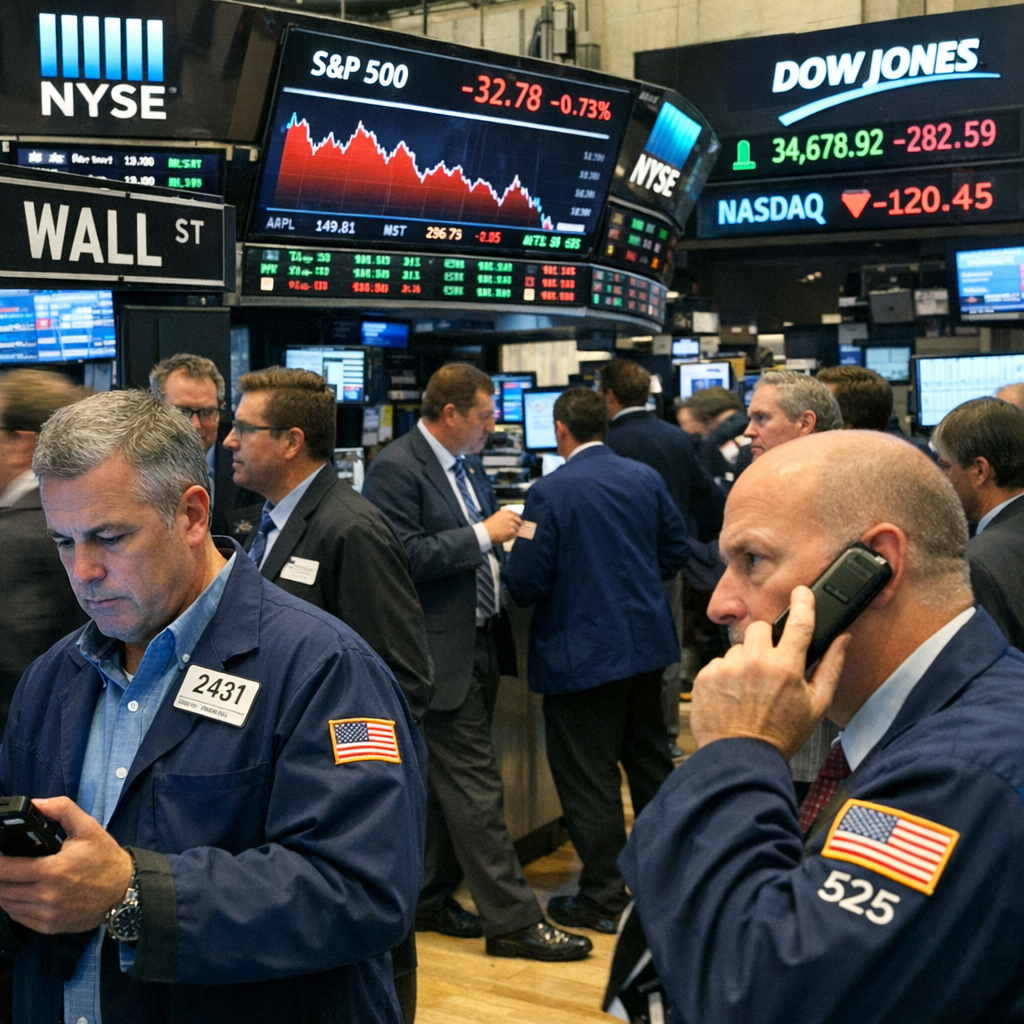
The United States economy continues to navigate a complex landscape shaped by various domestic and international factors. Recent data indicates a mix of resilience and challenges across different sectors.
Economic Growth and Employment
In the fourth quarter of 2025, the U.S. economy expanded at a sluggish 0.7% annual rate, reflecting the impact of the 43-day government shutdown during that period. Despite this, the job market has shown signs of strength, with 172,000 jobs added in May 2026, demonstrating resilience amid economic uncertainties. However, many Americans remain frustrated by rising costs and are uncertain about the future economic outlook.
Inflation and Consumer Prices
Inflation remains a pressing concern, with the key inflation gauge worsening in January 2026, even before the Iran war led to higher gas prices. The national average gas price has risen to $3.61 per gallon, contributing to increased living expenses for consumers. Additionally, the average U.S. long-term mortgage rate has risen to 6.11%, impacting housing affordability.
Federal Reserve Policies
The Federal Reserve has maintained its benchmark interest rate at 3.6%, with projections indicating a potential decrease to 3.4% by 2027. This cautious approach aims to balance economic growth with inflation control. The recent appointment of Kevin Warsh as the new Fed Chair, replacing Jerome Powell, has introduced new dynamics into monetary policy discussions.
Global Influences
International events, such as the ongoing conflict in Iran, have had significant repercussions on the U.S. economy. The war has contributed to a surge in oil and gas prices, reaching a four-year high, and has added uncertainty to global energy markets. These developments have further complicated the economic landscape, affecting both consumer sentiment and business investment decisions.
In summary, while the U.S. economy exhibits areas of strength, particularly in employment, it faces ongoing challenges related to inflation, consumer prices, and external geopolitical events. Policymakers continue to monitor these factors closely to navigate the path toward sustained economic stability.