

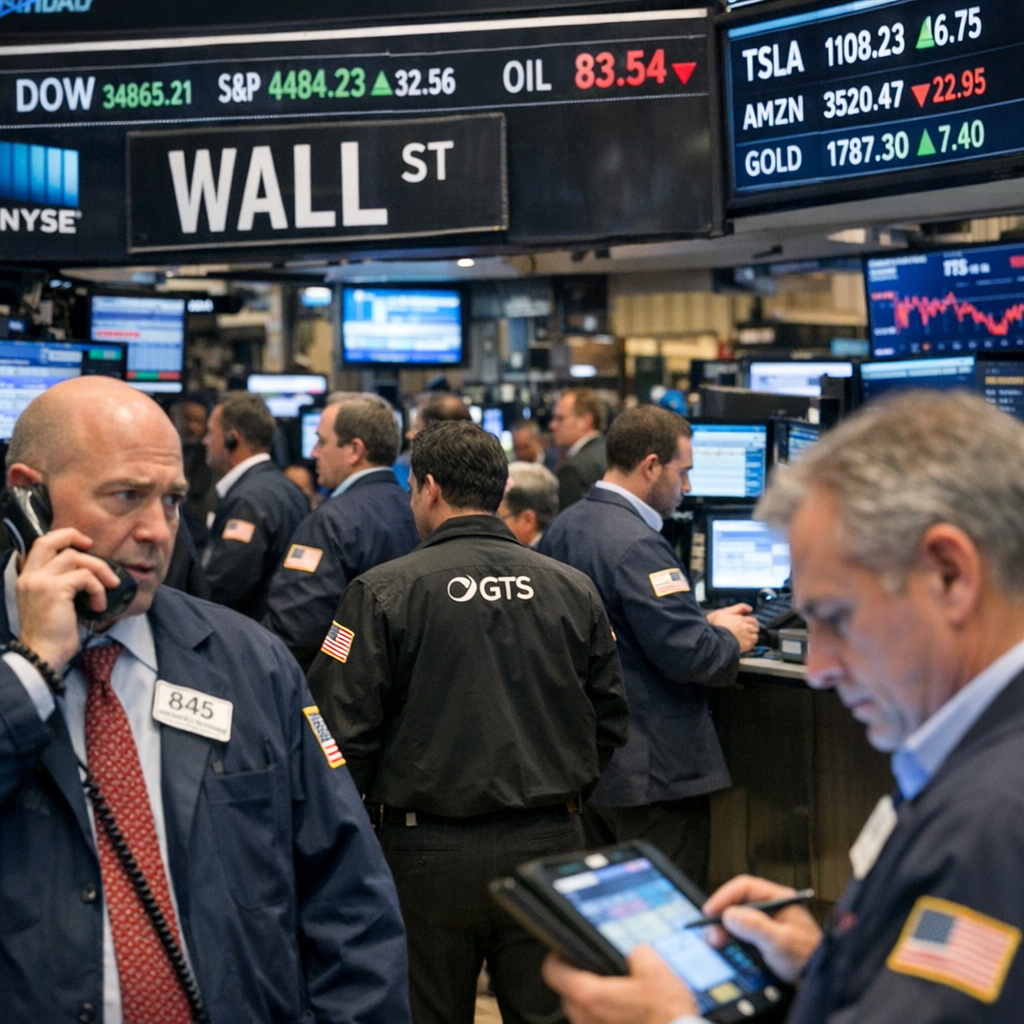
The United States economy has been navigating a complex landscape, influenced by various domestic and international factors. Recent data provides insight into the nation’s economic health, touching upon growth rates, inflation, and consumer sentiment.
Economic Growth and Inflation
According to the International Monetary Fund (IMF), the U.S. economy is projected to grow by 2.4% in the fourth quarter of 2026, an increase from the 2.2% growth observed in the previous year. This uptick is accompanied by a decrease in unemployment rates, expected to drop from 4.5% in late 2025 to 4.1% in 2026. Inflation is anticipated to align with the Federal Reserve’s 2% target by 2027. However, the IMF has raised concerns about rising federal budget debts, viewing them as potential risks to economic stability.
Consumer Confidence and Spending
Consumer confidence has experienced fluctuations, with recent surveys indicating a decline to levels not seen since April. Americans have expressed concerns about job security, the cost of living, and the overall economic outlook. Retail sales data from September showed a modest increase of 0.2%. However, when adjusted for a 0.3% rise in prices during the same period, actual consumer spending reflected a slight decrease of 0.1%.
Impact of Global Events
International developments have also played a role in shaping the U.S. economic landscape. The ongoing conflict in Iran has contributed to a surge in oil prices, leading to higher gasoline costs domestically. This escalation has further strained household budgets and added to inflationary pressures.
Looking Ahead
As the U.S. approaches the 2026 midterm elections, economic issues remain at the forefront of public discourse. Policymakers are tasked with addressing these challenges to ensure sustained growth and stability. The interplay between domestic policies and global events will continue to influence the nation’s economic trajectory in the coming months.