

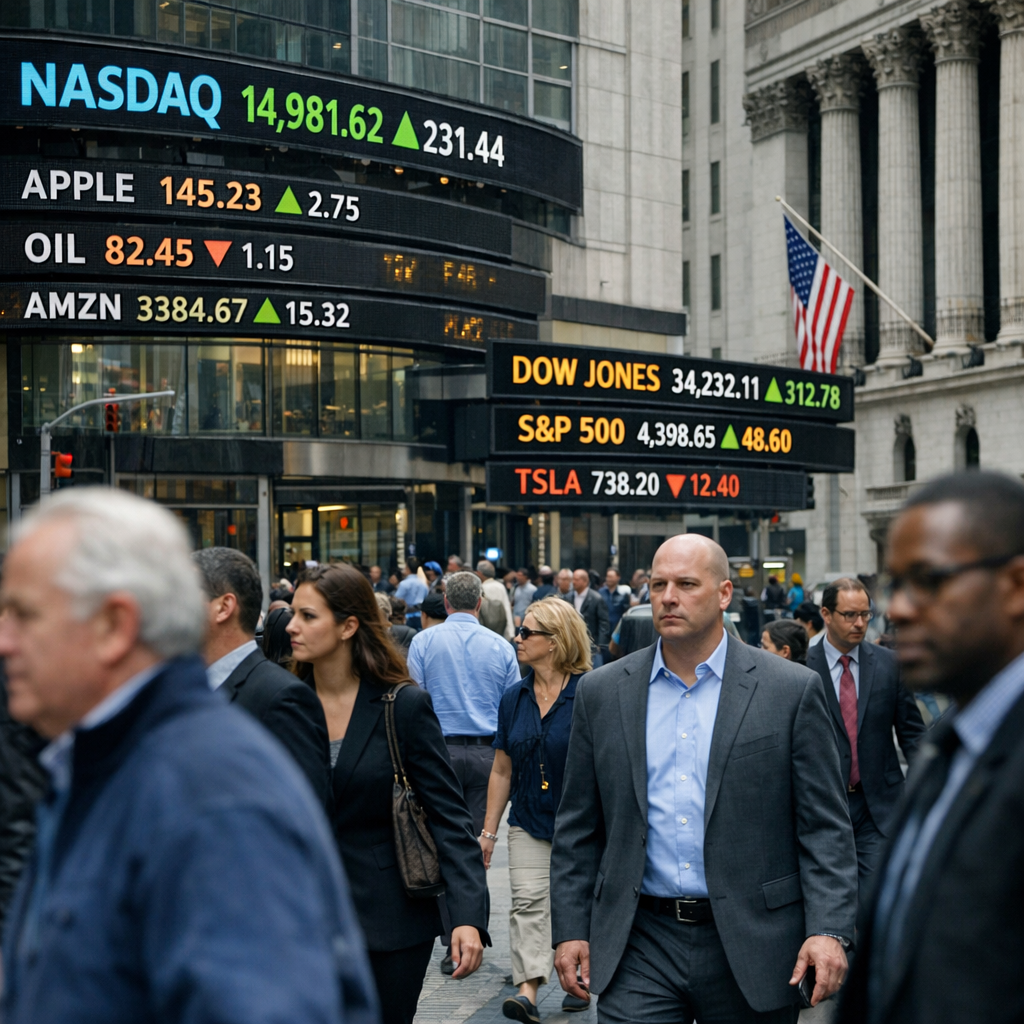
The United States economy has exhibited a mix of resilience and challenges in recent times. Key economic indicators provide insight into the nation’s financial health and the hurdles it faces.
Economic Growth and Employment
According to the International Monetary Fund (IMF), the U.S. economy is projected to grow by 2.4% in the fourth quarter of 2026, an increase from 2.2% the previous year. Unemployment rates are expected to decline from 4.5% in late 2025 to 4.1% in 2026, indicating a strengthening labor market.
Inflation and Consumer Prices
Inflation remains a concern, with the IMF forecasting a return to the Federal Reserve’s 2% target by 2027. However, recent data shows a 0.3% rise in wholesale inflation in September, maintaining an annual level of 2.7%. This uptick has led to increased consumer prices, affecting purchasing power.
Consumer Confidence and Spending
Consumer confidence has declined, reaching its lowest level since April. Americans express concerns about job security, cost of living, and the overall economy. Retail sales rose by 0.2% in September, but after adjusting for inflation, spending effectively decreased by 0.1%.
Impact of Global Events
International events, such as the ongoing conflict in Iran, have influenced the U.S. economy. Gasoline prices have surged by 50% since the conflict began, contributing to higher transportation costs and overall inflation.
Federal Reserve Policies
The Federal Reserve has implemented interest rate cuts to stimulate economic growth. Some officials have indicated the possibility of further reductions in the near future to support the economy amid these challenges.
In summary, while the U.S. economy shows signs of growth and a strengthening labor market, issues like inflation, declining consumer confidence, and external geopolitical events continue to pose challenges.