

By Sara Al-Dhaheri
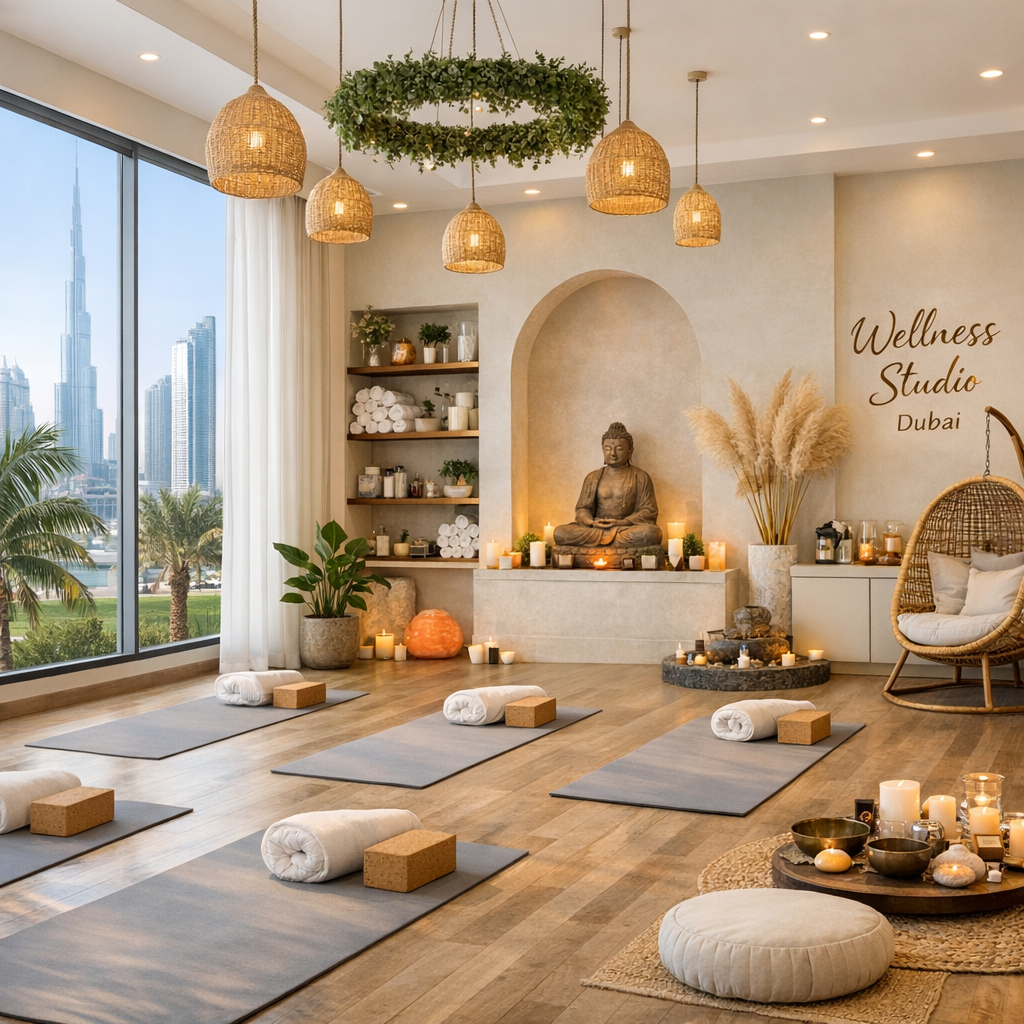
Dubai’s health and fitness world is evolving. It’s not just about chasing numbers on scales or dominating cardio machines any more—locals and expats alike are seeking movement that supports the whole self: strength, balance, recovery, mindfulness, connection. If you’re wondering what that looks like in practice, here are what many fitness spaces in Dubai are doing differently now—and how you can find the right kind for you.
What’s shaping fitness & wellness in Dubai
- Recovery & holistic wellness
The rise of clubs that combine gym access with recovery tools—think contrast therapy, saunas, massage, cryotherapy—is loud and clear. These spaces often offer nutrition coaching, physiotherapy, and stress-management workshops as part of the membership rather than upsells. - Strength & functional training lead the way
Traditional strength work—free weights, resistance training—is dominating, with functional formats like HYROX-style workouts, bodyweight circuits, kickboxing, and HIIT gaining traction. These workouts appeal to men and women alike, though preferences still vary across age groups and experience. Nutrition and technique support are becoming standard offerings. - Mindful movement and small group formats
Yoga, Pilates, Lagree, and breathwork are moving from niche to mainstream, especially among people who want low-impact but high benefit. Small studio classes emphasize alignment, restorative sessions, and deeper mind-body connection rather than maximum output. - Community, flexibility, and personalization
Gym go-ers are picking spaces based on ambience, schedule-fit, community feel and coaching—not just distance and price. Many wellness clubs and studios now offer flexible drop-in options, hybrid in-person/online training, and event-based experiences like workshops, socials or themed classes. - Affordability mixed with premium expectations
While more people want fitness in their lives, rising costs are a concern. Basic gym subscriptions remain essential—but many are willing to pay more for quality, cleanliness, recovery services and expert instruction. Transparent pricing and value are more likely to build loyalty.
How gyms are supporting mental health
Physical movement is increasingly understood as part of mental wellbeing—not an afterthought. With external stressors, these fitness spaces are becoming sanctuaries. Regular classes in the evening give people structure and purpose; instructors notice more awareness among members of how workouts affect mood, focus and resilience. Community spaces, familiar routines, and small group support are helping gym users feel more grounded and socially connected.
Tips for choosing the right fitness & wellness space
- Define what “wellness” means to you
Do you seek strength, stress relief, community, or all of the above? Write down your priorities—this helps avoid trial memberships that don’t last. - Try smaller or hybrid formats
Studios built around reformer Pilates, mindful movement, or short functional classes tend to offer more personalized attention and flexibility. - Look into recovery and support services
Gyms that include recovery tools, wellness coaching, and stress-management options may give your body a better chance to thrive long term. - Test the vibe—and the hours
Can you make it when you want? Does the space feel motivating (or gentle) in the way you need? Sometimes the feel of the gym matters more than its equipment. - Be realistic about budget
Transparent, tiered membership plans, trial passes, or off-peak pricing can help you stay consistent without stretching financially.
Final note
The strongest fitness routine is the one you’ll keep—one that fits your life, supports your mind and body, and lets you feel connected. Whether you’re lifting heavy, winding down in a flow class, or choosing recovery over grind, what matters most is that movement becomes something you do because it feels sustainable—not because you feel you have to.