

By Ahmed Al-Hamed
In recent months, several interconnected issues have dominated the national conversation in the United States. As the country enters its midterm election season, economic worries, battles over voting laws, and immigration remain atop the agenda. Here’s an overview of what’s shaping U.S. politics today.
1. Economic Anxiety and Everyday Costs
Many Americans express deep concern about affordability. The cost of essentials—healthcare, food, housing—continues to weigh heavily. Rising fuel and energy prices are fueling broader unease. One survey shows that the share of citizens very worried about gasoline doubled within months. Others highlight how inflation and tariffs have corroded consumer confidence. What this means politically: economic distress can swing elections, particularly in battleground states.
2. Election Rules, Voting Rights and Trust in Institutions
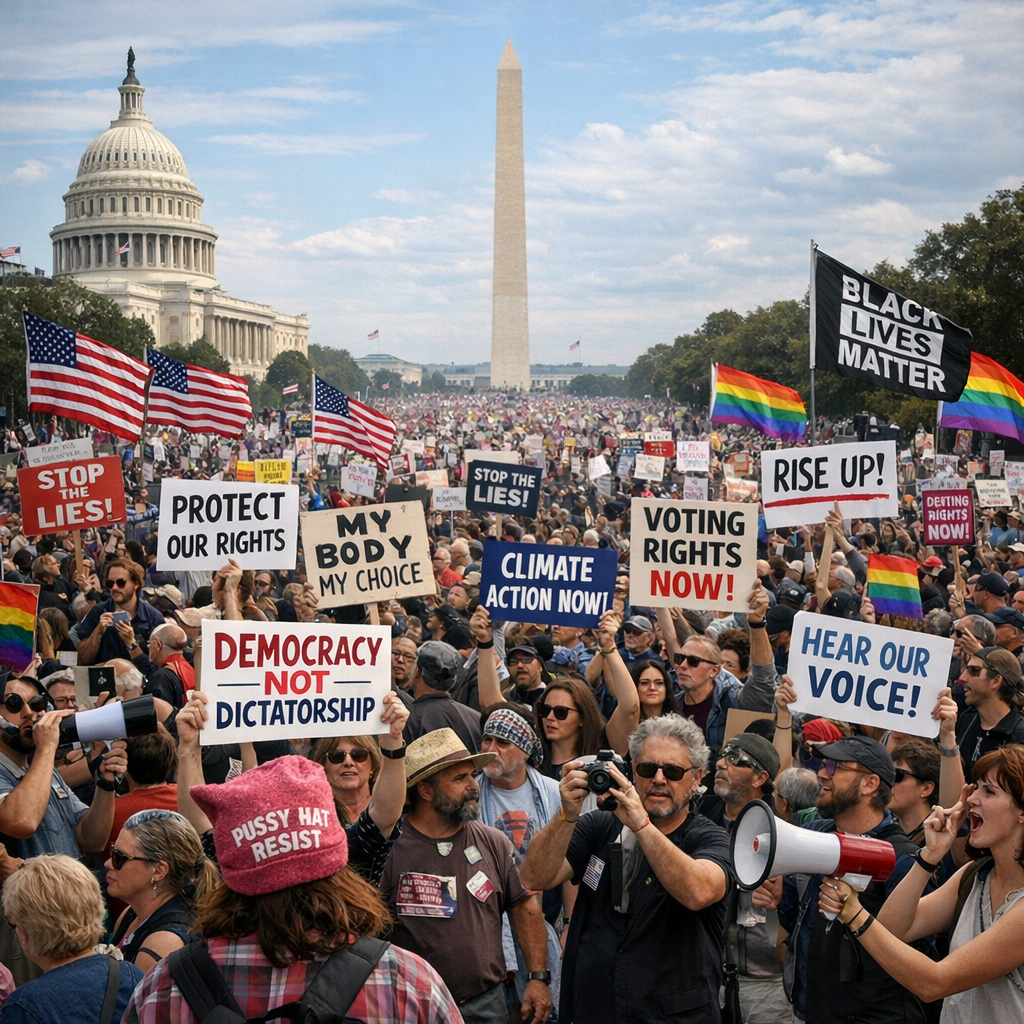
Debates over how Americans vote have grown more intense. Key issues include who gets to vote by mail, whether district maps favor one party, and how laws around voter identification or ballot deadlines are changing. Across the political aisle, many express concerns that rules are being reshaped for partisan gain, which is undermining faith in the democratic process.
3. Immigration and Border Policy
Immigration remains a polarizing issue. There’s growing tension over border enforcement, policies around asylum and “Dreamers” (those brought to the U.S. as children), and how immigration fits into broader national security concerns. For many voters, immigration isn’t just about policy—it also signals leadership style and values.
4. What Midterm Elections Could Look Like
As Americans cast ballots for Congress and many state and local posts, these core issues—cost of living, election laws, and immigration—will likely dominate campaign messaging. Candidates seeking swing districts are already trying to frame these debates in ways that resonate locally.
Challenges Ahead
- Bridging the divide between urban and rural priorities.
- Addressing immediate economic pressures without large disruptions to existing systems.
- Ensuring legal changes around voting rights pass constitutional muster and respect minority protections.
- Managing immigration in ways that balance enforcement, humanitarian concerns, and fairness.
In a country as large and diverse as the U.S., there are no simple fixes. But understanding what’s keeping Americans up at night can help make sense of both current headlines and policy decisions to come.