

By Ali Al-Ameri
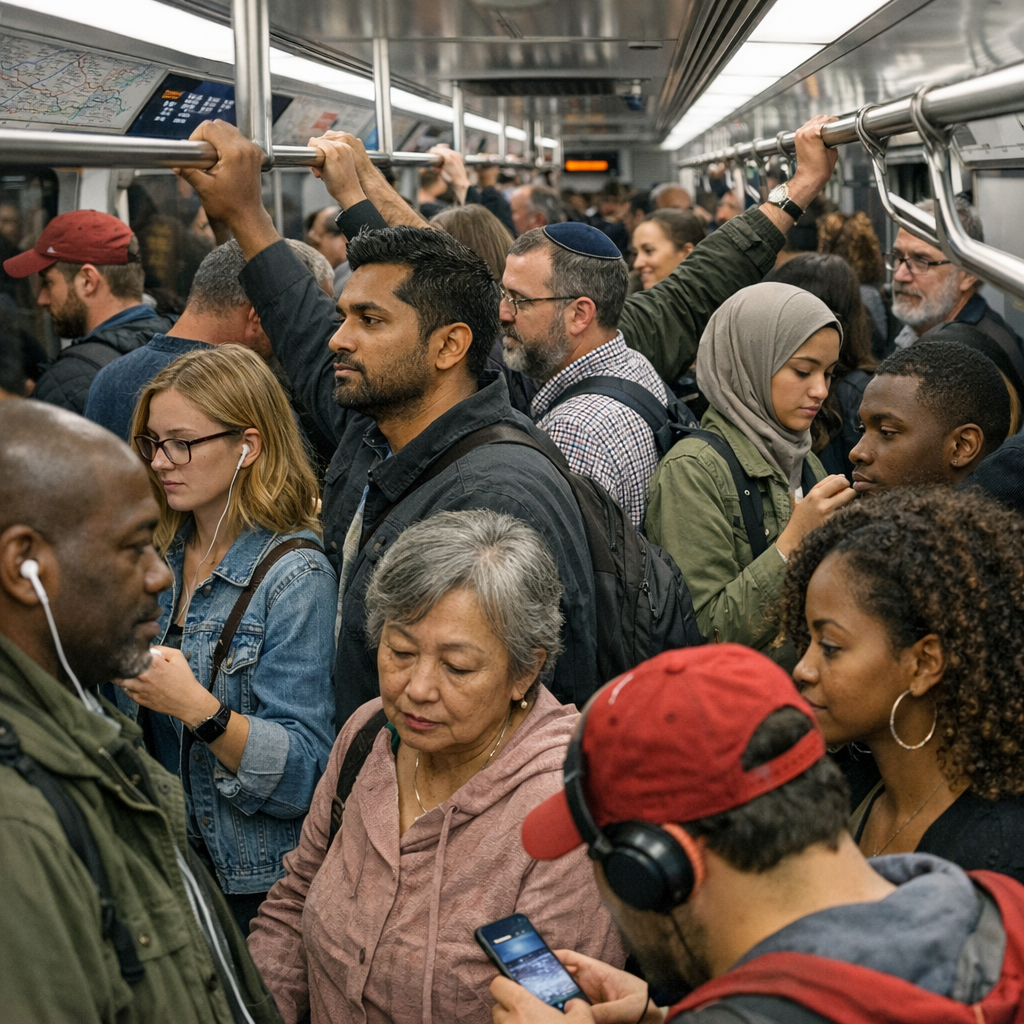
It’s 8:15 am on a weekday. The red-line train arrives. Doors slide open, commuters surge forward. You’re pushed, your bag bumps into someone’s feet, you wait a beat too long to step aside. Sound familiar? For many of us riding Dubai Metro regularly—or sometimes—a common complaint wilts not around the infrastructure, but around our interactions.
Why etiquette matters in a fast-paced city
Dubai is known for efficiency. The Metro, buses, trams—all parts of a transport network built for speed, connectivity, ambitious growth. Yet even the most advanced system can’t fix what happens when people forget that the neighbour beside them, the passenger trying to step in, the elderly person waiting for a seat, all deserve respect.
Issues like blocking doors when exiting, loud conversations, failing to offer seats during rush hour, or carrying bulky items in already crowded carriages—these aren’t just minor annoyances. For a city dependent on public transport, they’re friction points that can turn daily routines into stress.
Voices from the morning crush
Some residents say they feel compelled to stay silent. Others vocalize what they see as decline in common courtesy. One rider observed young people occupying seats reserved for seniors, while older or less-abled persons were left standing. Another noted that large bags are often carried through cabins at busy hours, wedging into gaps and preventing steady flow.
These stories aren’t unique. Over time, patterns emerge: people hesitating to ask someone to move aside, fearing confrontation; others quietly seething when someone takes up more space than their journey requires. We often accept these lapses because anonymity and distance make kindness optional.
What could change—and how
Public behaviour doesn’t evolve overnight—but small shifts can ripple. Here are a few ideas rooted in everyday choices:
- Mind the flow. Doors are pinch points. Stand clear, allow exiting passengers to alight before rushing in.
- Travel light during peak times. Large bags and bulky items take up space where someone else could stand—or seated space someone else should be using.
- Offer seats. Even if you’re technically entitled, yielding your seat during peak hours—especially to an older passenger or someone with mobility challenges—is gracious.
- Keep noise considerate. The phone call could wait or be moved to a quieter corner; speaking softly shows respect for others’ comfort.
How transport authorities can help
Initiatives like etiquette campaigns or public service reminders have already begun. Clearer signage, occasional announcements on trains and platforms, and enforcement of rules against obstructing doors or emergency exits can support behaviour change.
Community-driven efforts—neighbours speaking up, parents modelling respect—play an equal role. The public transport journey isn’t just about trains or buses—it’s about people sharing a space.
For everyone stepping aboard: respect isn’t measured in grand gestures, but in everyday consideration. If each of us takes a moment—letting someone exit, relinquishing our seat, softening our voices—we turn a crowded commute into a shared respect. And that makes all the difference.