

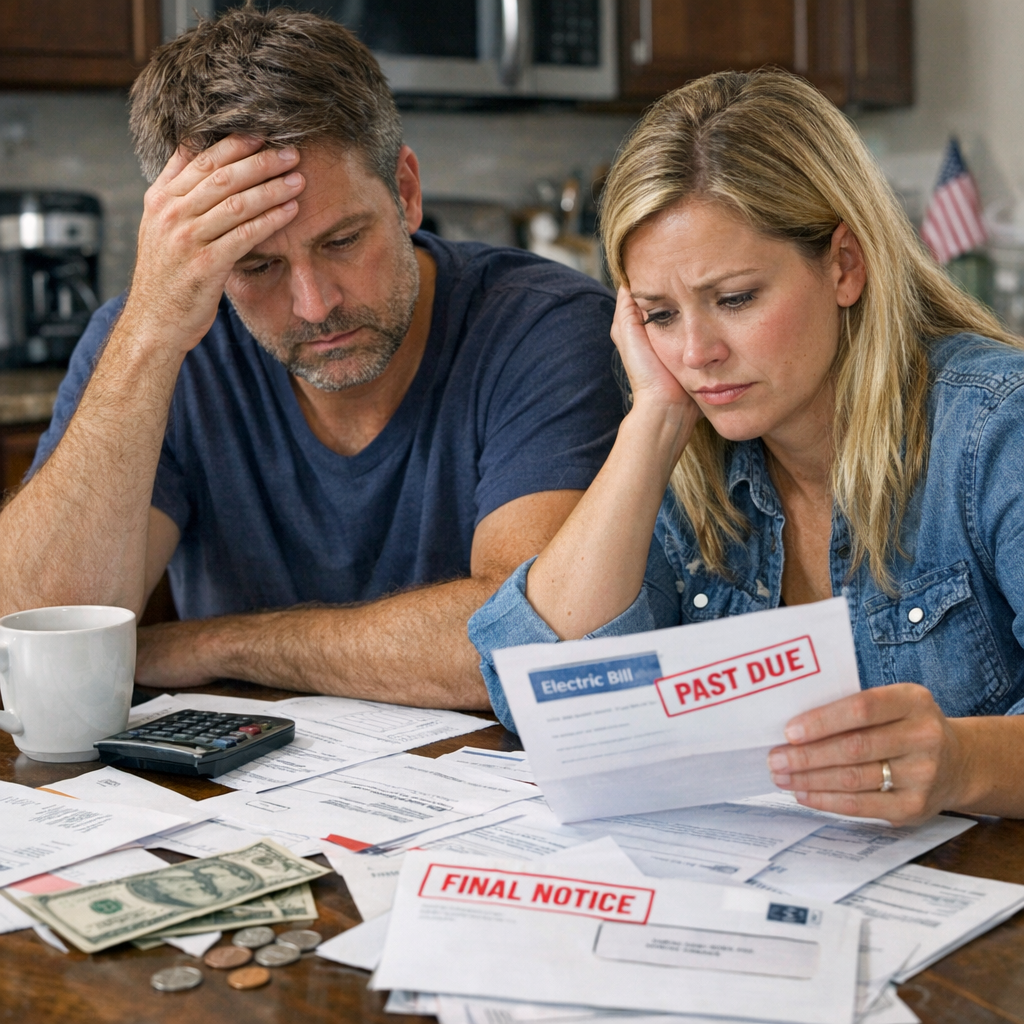
In the United States, public confidence in the economy remains weak, even as lawmakers debate policy and the country braces for upcoming elections. Recent polling reveals a sentiment many recognize but few feel optimistic about.
Negative Economic Evaluations Across the U.S.
Only about one in four Americans now say the country’s economic conditions are “excellent” or “good”—with the majority viewing them as merely “fair” or outright “poor.” These reflections align with growing frustrations over daily costs: fuel, groceries, housing, healthcare.
Among Republican-leaning voters, the share rating the economy positively has dropped significantly in recent months. Meanwhile, worries among Democrats—and independents—highlight a shared sense of financial unease, regardless of political affiliation.
What Costs Hit the Wallet the Hardest?
Surging gasoline prices have moved from annoyance to hardship for many households. Alongside that, steady increases in the cost of food, housing, utilities, and medical care are squeezing budgets—and changing behavior.
Other economic indicators tell part of the story: modest job growth, elevated inflation, slow improvements in real income, and rising federal deficits. The national debt continues to climb, adding pressure to discussions of fiscal responsibility and future policy.
Politics, Polarization, and Economic Discontent
The political environment is feeding economic concerns. Voter frustration is showing up in polling and early campaign signals. For many, perceived economic failures are less about debates over individual issues and more about trust in leaders to deliver stable prices, secure jobs, and fair access to essentials.
This discontent is especially visible among working- and middle-class Americans who feel economic gains have bypassed them. Rising inequality, concerns about transparency, and debates over policies around voting and rights are multiplying doubts.
What This Means Moving Forward
- Economic policies focused on cost relief—energy, healthcare, housing—are likely to gain traction.
- Fiscal reforms and debt reduction may become central to both bipartisan negotiation and party platforms.
- Public trust in institutions—from Congress to regulatory agencies—will be heavily tested as citizens search for visible results over political rhetoric.
In short: Americans may not agree on everything, but many share a concern that the economic foundation beneath them is shakier than it once felt. What remains uncertain is whether political leaders can offer plans—and more importantly, actions—that rebuild both stability and confidence.