

By Layla Al-Mansoori
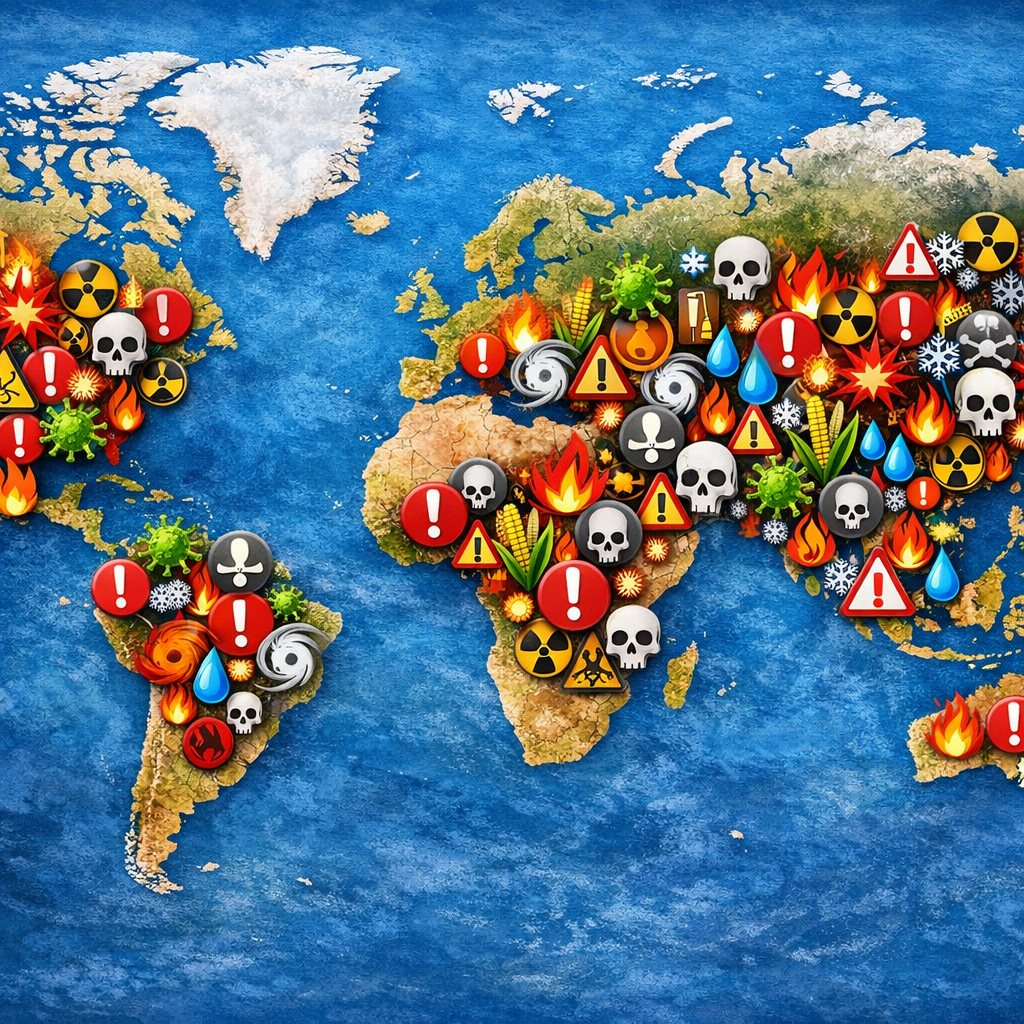
Throughout my reporting from Dubai over the past year, one theme has become impossible to ignore: the world is facing multiple, overlapping crises. From climate emergencies to armed conflicts, the shocks are compounding. This “polycrisis” era demands fresh response tools—both from governments and civil society alike.
What is polycrisis?
The term refers to an intersection of severe, simultaneous global challenges: intensifying conflict, escalating climate threats, humanitarian catastrophes and fragile institutions. Rather than isolated problems, these crises reinforce each other—for instance, wars disrupt food supply chains, which deepens food insecurity and triggers displacement, worsening political instability. Analysts say we are living in a time when these interconnected pressures are becoming the defining reality.
Key drivers today
Conflict and instability. From the war in Ukraine to Middle East tensions involving the UAE, Iran, and neighbouring states, conflicts have direct and spillover effects. Borders, trade routes and diplomatic ties are under stress.
Climate and environmental pressures. Extreme heatwaves, worsening droughts, more severe storms, and water scarcity are already hurting vulnerable communities. Nations are recognising that climate risks are inseparable from security and development concerns.
Humanitarian and health crises. The scale of need is growing. Tens or hundreds of millions around the world require aid, protection and access to basic services. Pandemics, epidemics and environmental disasters are layering onto political crises to create new levels of pressure on global systems.
How international cooperation is adapting
Traditional multilateral forums are under strain. Deliberations take time, consensus is fragile, and commitment ratification often lags—while on-the-ground urgency mounts. Yet innovation is emerging.
Smaller coalitions—among nations, cities, NGOs and businesses—are taking the lead. For example, after climate summits, new agreements are focusing not just on goals but on implementation: trade-climate dialogues, finance mechanisms for adaptation, and “just transition” instruments.
In parallel, the UAE and Gulf countries are playing more visible roles as strategic nodes in supply chains, diplomacy, and conflict resolution. Efforts to ensure the safety of shipping, protect critical infrastructure, and maintain trade in volatile regions are among urgent priorities.
What individuals can watch for—and do
- Monitor policy changes that tie climate, trade, and defence together. These often signal shifts toward resilience-based planning.
- Support or follow local and regional initiatives—universities, cities, community groups—that engage in climate action, humanitarian relief, or cross-border dialogue.
- Stay informed about supply chain risks—food, fuel, water—as disruptions in one region can quickly ripple across the globe.
- Advocate for transparency and accountability in aid and climate finance. Ensuring funds reach communities, not just bureaucracies, strengthens trust and effectiveness.
Looking ahead
The polycrisis era won’t be solved overnight. It requires patience, cooperation and a willingness among nations to experiment. But by combining traditional diplomacy with agile coalitions, and by treating climate, health, and conflict as strands of a single web, our global community can weather what lies ahead.